eSIM in Japan 2026: the honest guide for first-time visitors
Japan eSIM setup, best carriers, what to expect on the Shinkansen and in rural areas — everything first-time visitors need to know.
By LTE.app Editorial Team
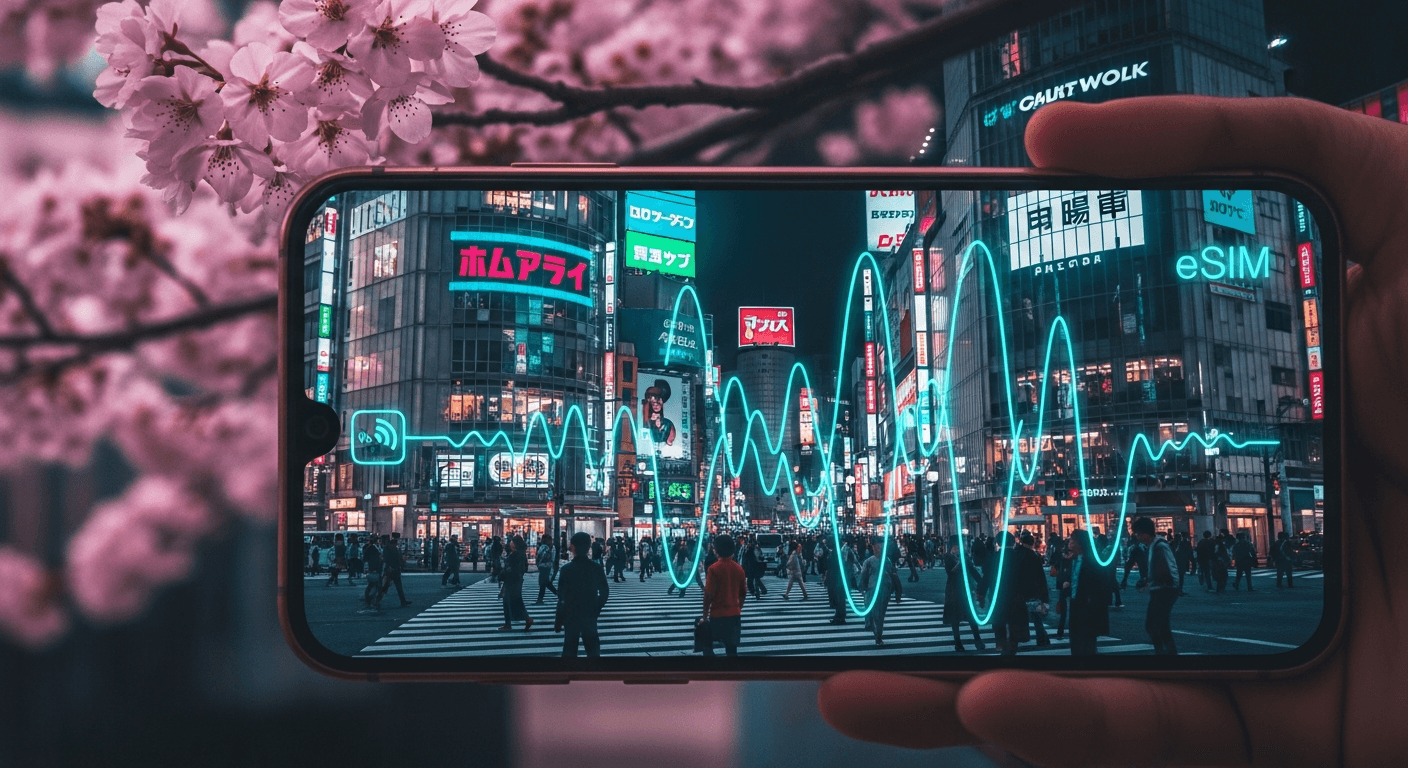
Japan connectivity for first-time visitors
Japan has some of the fastest and most reliable mobile networks in the world. NTT Docomo, SoftBank, and au/KDDI cover 99%+ of populated areas with LTE. The eSIM experience here is generally excellent — when configured correctly.
Before you arrive: install the eSIM at home
This is the single most important tip. Install your Japan eSIM QR code at home, over Wi-Fi, before you board the plane. Some travellers wait until they land — this works if you find airport Wi-Fi, but causes unnecessary stress.
Steps: 1. Buy your plan at lte.app/esim/japan 2. Receive the QR code immediately 3. Go to Settings → Cellular → Add eSIM → scan the QR 4. Label it "Japan Data" 5. Fly
At Narita or Haneda airport
Signal appears almost immediately after landing. Enable data roaming on the eSIM line (Settings → Cellular → Japan eSIM → Data Roaming: On) and toggle airplane mode on and off once. You should see "NTT Docomo" or "SoftBank" in your status bar within 2 minutes.
Getting around Tokyo on the eSIM
Google Maps on Japanese LTE is a completely different experience from weak tourist hotspot Wi-Fi. Transit directions, real-time train delays (using Japan Official Travel App or HyperDia), restaurant navigation — everything is instant.
IC cards: Add a Suica card to your Apple Wallet or Google Wallet before you go. Suica covers Tokyo trains, Osaka subway, and convenience stores. It needs to be loaded with yen but does not require an eSIM — it uses NFC.
Shinkansen connectivity
The main Shinkansen lines (Tokaido Shinkansen Tokyo–Osaka, San'yo Shinkansen Osaka–Fukuoka) have LTE coverage along most of the route. Tunnels drop signal briefly — the connection restores within seconds of exiting. Download your media for tunnel sections.
Rural Japan
NTT Docomo is the only carrier worth having in rural Hokkaido, the Tohoku region, and the Japan Alps. LTE.app Japan plans include Docomo coverage.
Data needs in Japan
- One week in Tokyo + 1–2 day trips: 5–7 GB is comfortable
- Download Google Maps offline for Tokyo before arrival — saves at least 1 GB
- Translation via Google Lens (pointing camera at menus, signs): uses minimal data
Browse eSIM plans for 196 countries — instant QR delivery, no account required.
Browse Plans